No two safaris here should feel quite the same. The Serengeti changes by the week, the southern parks ask for more time, and places like Mahale or Katavi reward those willing to go a little further. Our itineraries are here as a starting point, shaped by what we know of the seasons, the wildlife, the camps and the quieter ways through.
Some follow the migration. Some slow things down on the Rufiji, or head west for chimps on Lake Tanganyika. Others bring together the northern classics; Serengeti, Ngorongoro and Tarangire, in a way that still feels spacious, personal and properly wild.
Browse our sample suggestions, and contact us to discuss bringing your own ideas to life.
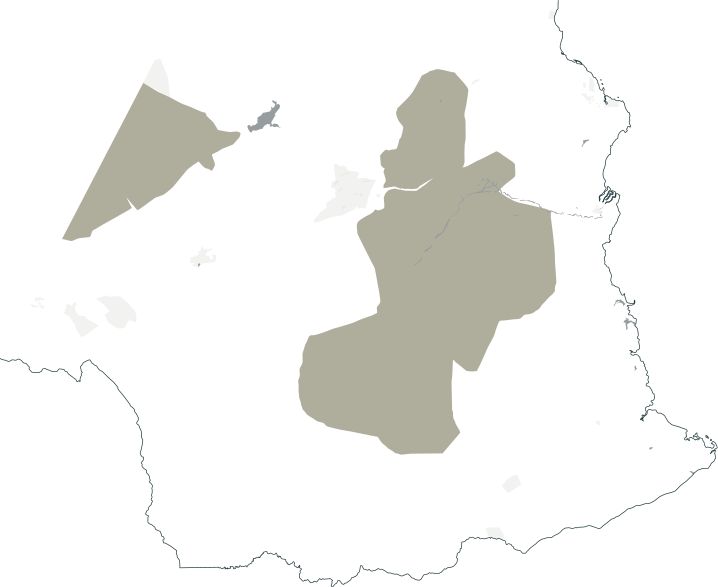
Northern Tanzania
7
Days
Ngorongoro Crater to the wildest corner of the Serengeti
Ngorongoro | Serengeti
All Year Round
8
Days
Tanzania safari in green season
Ngorongoro | Serengeti
December to March
7
Days
Wildebeest calving season in southern Serengeti
Serengeti | Ngorongoro
January - February
6
Days
Northern Tanzania highlights in five days
Serengeti | Ngorongoro
Year round
8
Days
Life Enhanced: Conservation & Project Safari
Tarangire | Ngorongoro | Serengeti
Year round (except April and May)
8
Days
A week in Northern Tanzania with Nomad
Tarangire | Ngorongoro | Serengeti
Year round (except April and May)
The combined experience of our Northern guide team comes to well in excess of 200 years.
- The greatest concentration of wild animals on the planet
- The Great Migration
- Real elephant country in Tarangire
- Nomad's remote corner of the iconic Ngorongoro Crater
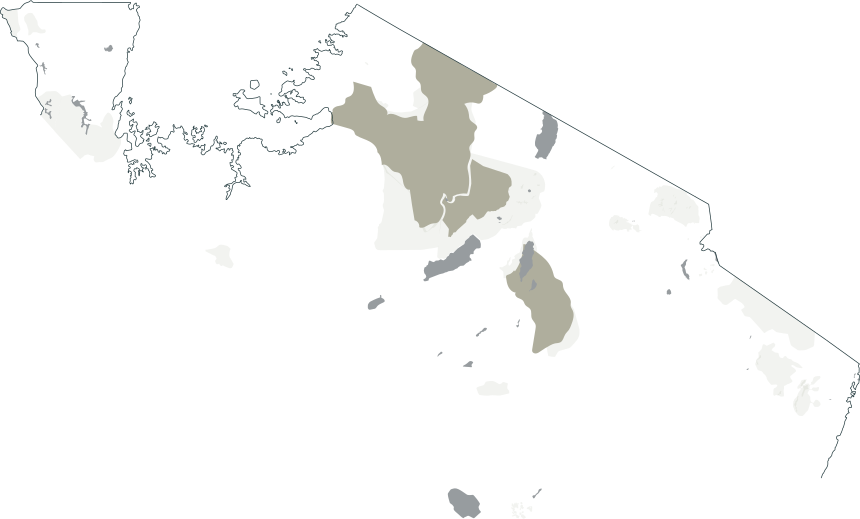
Western Tanzania
Western Tanzania is about intense contrasts: from Mahale's chimpanzees and the soft, gin-clear waters of Lake Tanganyika to the mega-herbivores that roam Katavi's savage grasslands.
- Wild chimpanzee's in the Mahale Mountains
- One of the wildest places left in Africa: Katavi
- Rich in wildlife and largely devoid of people
- Remote, and virtually as we found it 20 years ago
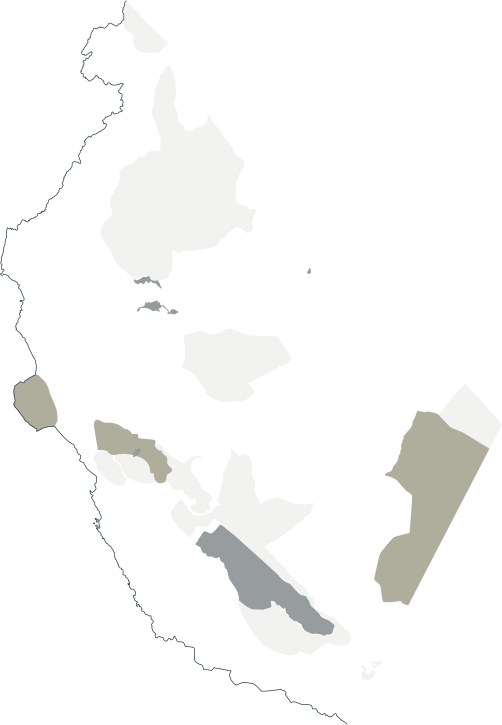
Southern Tanzania
Southern Tanzania is all about getting right out there into the wilderness, to walk, boat, sleep under the stars in a fly-camp and feel Africa getting under your skin.
- Freedom to 'just be' in the heart of Africa
- Boat, walk, fly-camp, fish, drive in Nyerere
- Complete exclusivity at Kiba Point
- The best dry season game viewing in Ruaha
“
Rooms are hidden among massive boulders on a little kopje - each with astonishing views over hundreds of miles of wriggling, giggling, trumpeting, roaring creatures
“
The majority of safari camps and safari lodges are not set up for young children, but this exclusive-use sister property to the eight-room Lamai Serengeti was designed especially for them: there are two fenced-off pools (including one for infants and toddlers), the staff cook to order and game drives are when it suits.
“
This is to South Africa’s Kruger Park what most safaris are to Whipsnade Zoo.