
We’ve often wondered what the words “green season” mean to many people outside the safari world. Here, we know it as the stretch after the short rains come through, roughly December into March, when the dust that’s been sitting on everything since July suddenly disappears and everything greens up after the first few rainfalls. It’s probably safe to say that it’s the time when we usually prefer to jump into a safari vehicle and head out: quieter roads, places, horizons.
It still gets called off-peak, partly because of school holidays and partly, we suppose, because people hear the word rain and picture a week stuck in a tent playing cards. It isn’t really like that.
Mornings are often really clear, the air having been washed so clean that you can almost pick out say the Crater rim or the Gol Mountains from miles away. Afternoon clouds stack up on the horizon, black and stormy, and it will most likely rain for an hour or so before moving off, leaving translucent and golden early evening light.
Cooler temperatures after the rain, campfires lit and hot water bottles in beds, sometimes waking at night to hear rain falling on canvas. Is there anything better?
The way Nomad travels the north has never really been about getting from one place to the next in a straight line. We’ve always been happier dancing around the edges of things, a curved route if it tells a better story, leaving camp half an hour earlier or later than everyone else. Green season suits that. The migration is the big event in the middle and we’d never tell anyone to miss it, but so much of what we love about these months is happening around the edges of it.
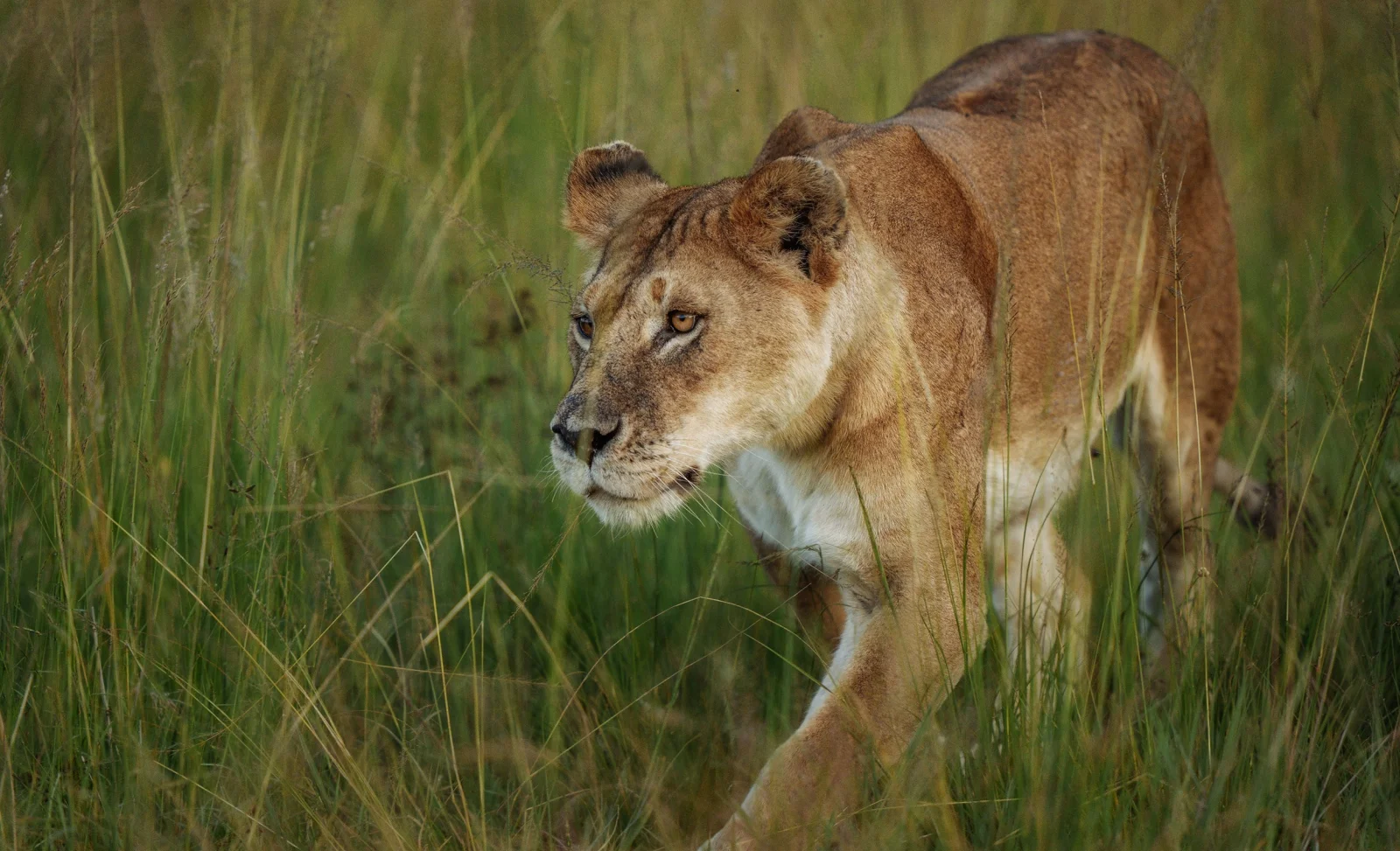
Starting slow in Tarangire
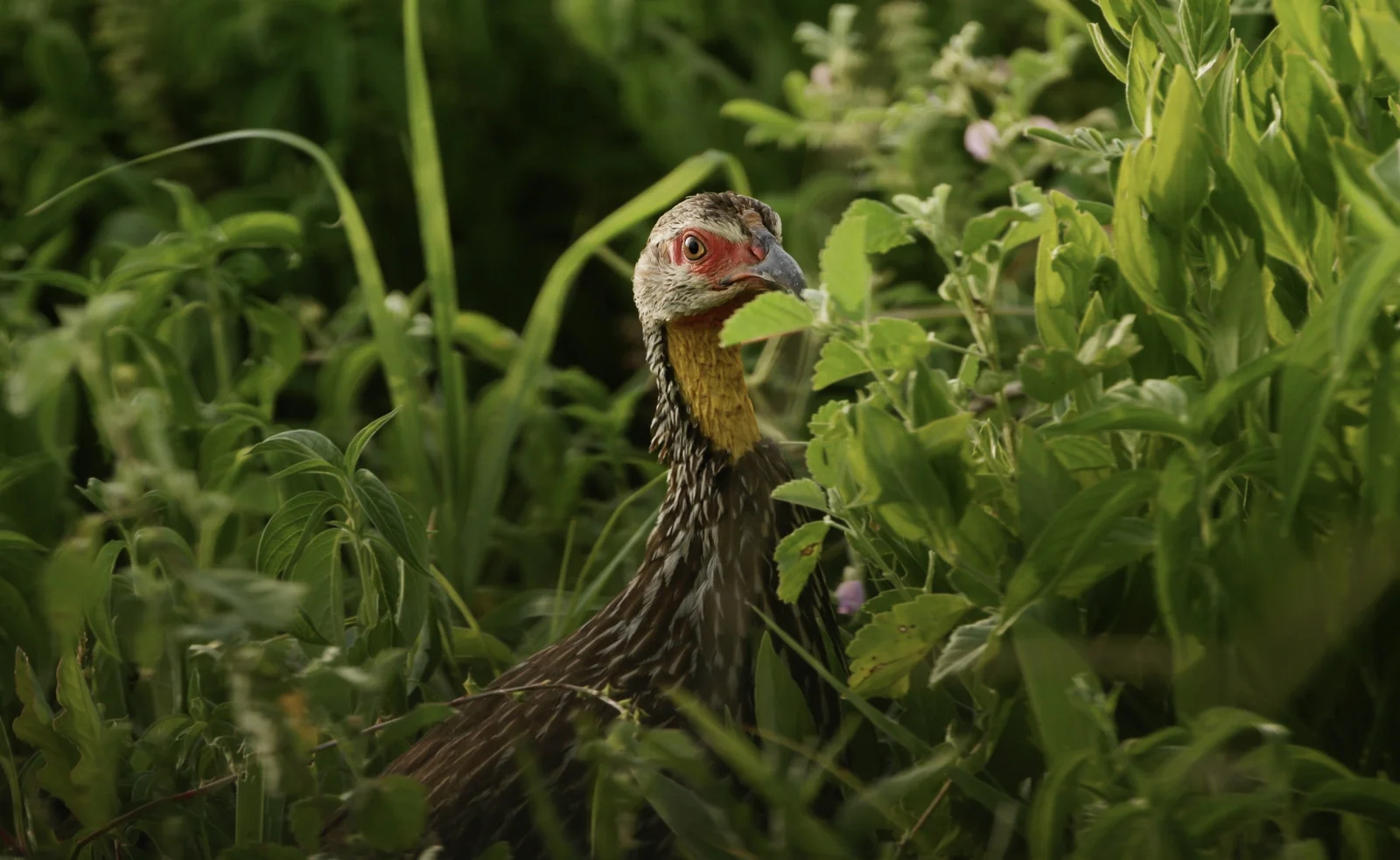
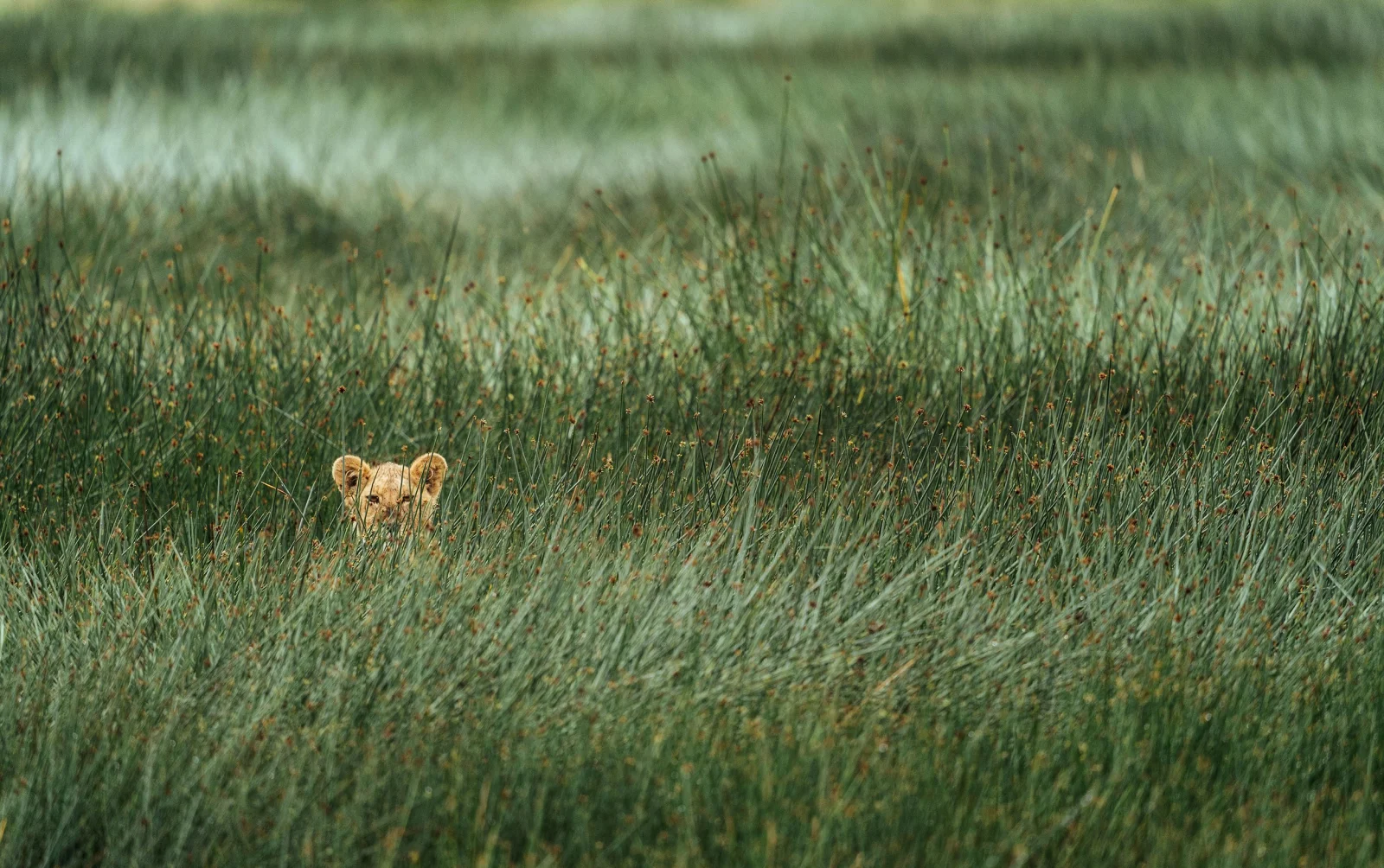
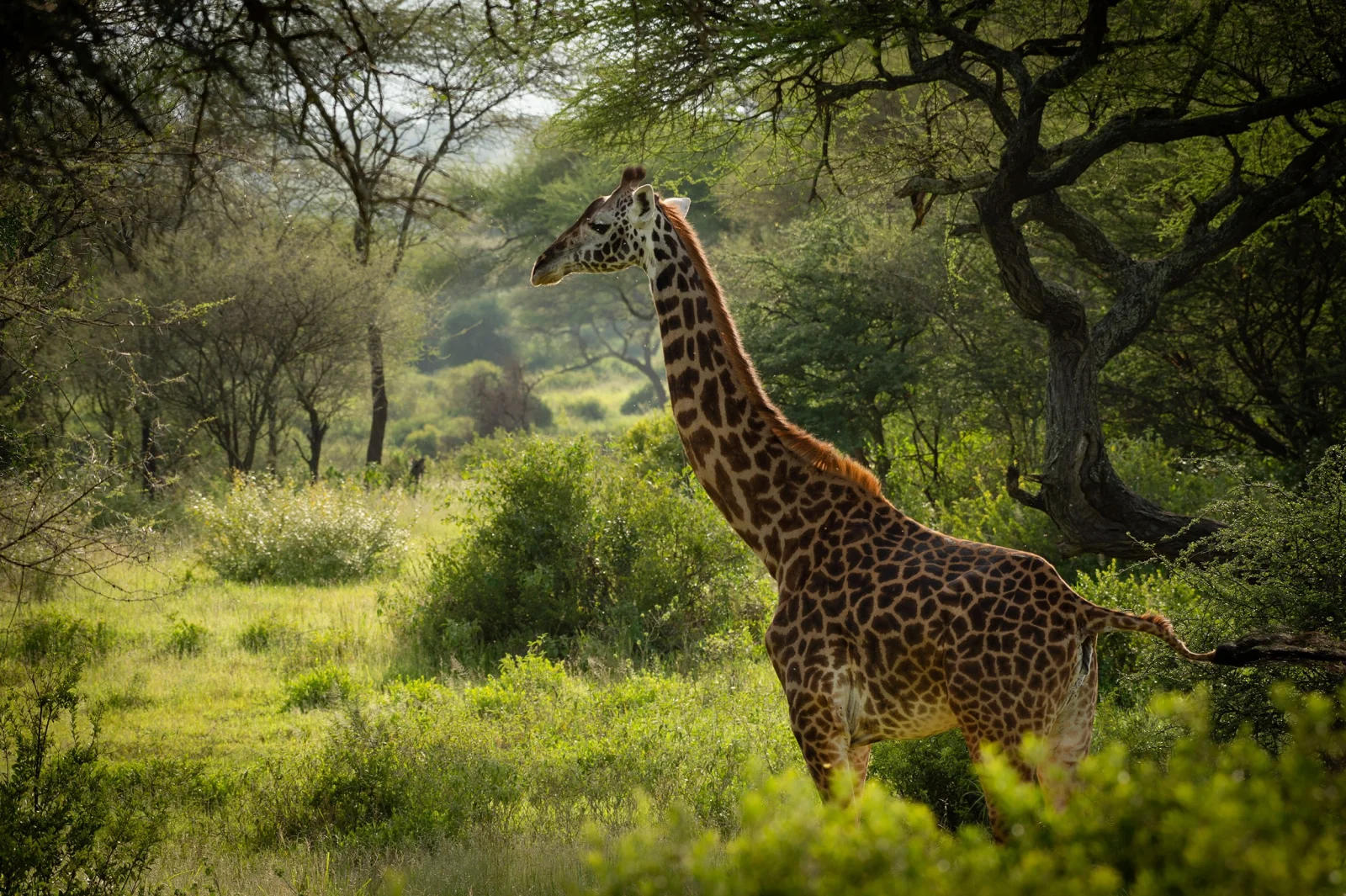
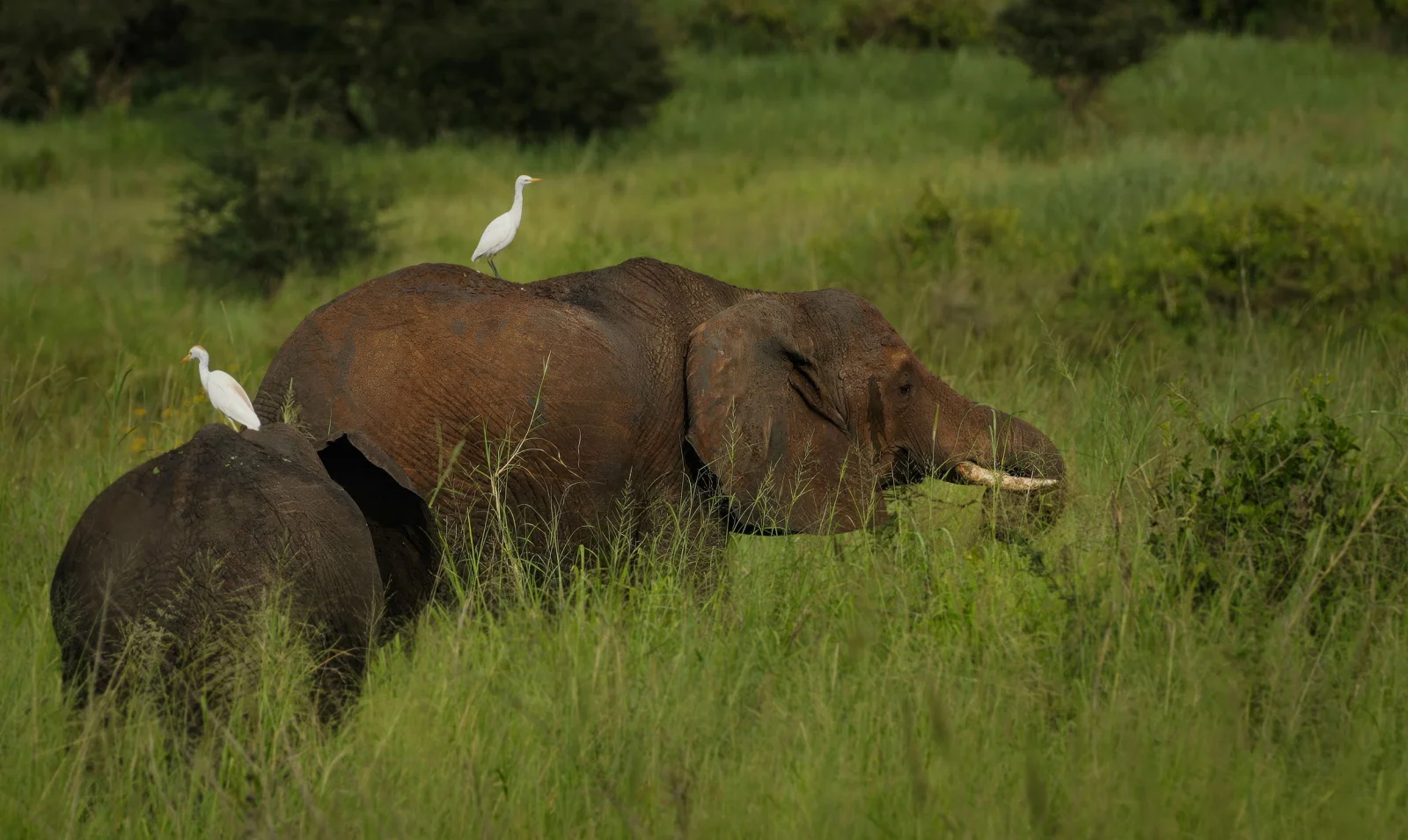
Tarangire becomes a green jewel during these months. With water lying everywhere, the game is less crowded along the river line, and it generally spreads out throughout the park. That makes it a different type of game drive, more of a ‘seek and you shall find’ exploration through the longer grass and swamp edges, spotting iridescent birds as you go. It’s a birding paradise during these months; Tarangire has over 550 species and from November the migrants have flown in from Europe and Asia. There are bush walks from Kuro, our little tented camp in its grove of acacia and kigelia trees, and night drives, and a lot of noise: birds, insects, frogs. The auditory world comes alive in these months.
The far side of the Crater rim
Entamanu sits on the spine between the north-western edge of the Ngorongoro Crater rim and the open Serengeti plains, a unique spot far away from everyone else. In these months, the highlands are wet and green and utterly fascinating. Mist hangs off the trees in the mornings, and you’ll hear the Maasai cattle bells echoing long before you see them. A day on the Crater floor starts early, with a hot water bottle and coffee, getting down just as it’s light, then back up again for lunch on the edge. Then maybe an afternoon walk along old cattle trails through the Acacia lahai, if you’d like your feet on the ground for a bit and the company of our Maasai walking guides.

Gone is the harshness of the dry season, replaced between December and May by a time of extraordinary richness; warm weather, stunning air clarity and a super-abundance of wildlife of all kinds.
Into the middle, briefly
From the rim you drop down onto the short grass plains of the southern Serengeti, where the migration arrives in early December once the rain has brought all the new grass. Our tented Serengeti Safari Camp moves during the year, following the herds, and this is where it pitches for the season. Calving usually happens around mid-February, hundreds of thousands of calves in a few weeks, long-legged, wobbly and very much on the menu, so lion, cheetah and hyena are never far off. The natural sounds here are also impressive, especially if the wildebeest are right around camp, which they often are.
The long way north
Then the bit of the whole safari that we really recommend. Rather than flying, we like to head to the edges and drive north with our guide, a whole day off the plains and up through kopjes and woodland and long valleys with blue hills on the horizon. Somewhere along the way the herds thin out, the other vehicles too, and you start to get a proper sense of how big the Serengeti is and also what else is out there. It’s a long day for sure, but it’s often the one people talk the most about afterwards.
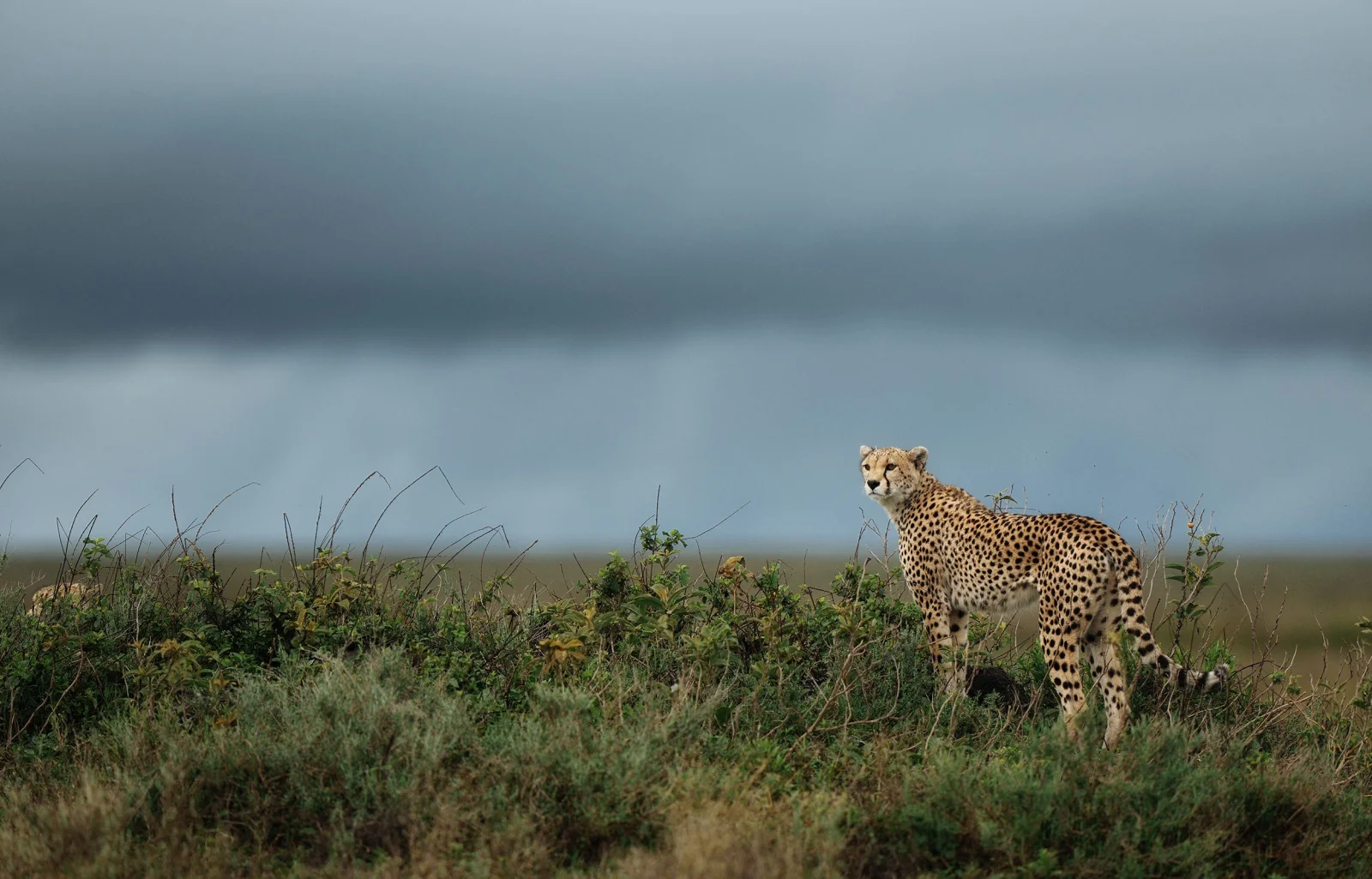
Lamai, right at the top
At the end of that drive is Lamai sitting on the rocks of the Kogakuria kopje in the far north of the Serengeti. Most people know this area for the river crossings between July and October, but the resident game is there all year: elephant, buffalo, good cats around kopjes or in the long grass. In February, you can be out all morning and not see another vehicle. It’s this that is the prize, the sense of having it all to yourself, being the only one at a sighting.
How it fits together
A few of the itineraries on our website are built around these months. Tanzania Safari in the Green Season follows the route above, Entamanu, Serengeti Safari Camp and Lamai, with the drive north in the middle and Serengeti Wildebeest Calving Safari calls itself safari’s best-kept secret: “experience northern Tanzania’s baby boom as the wildebeest calve in the lush landscape.”